
Flowing into a relationship with your mind & movement
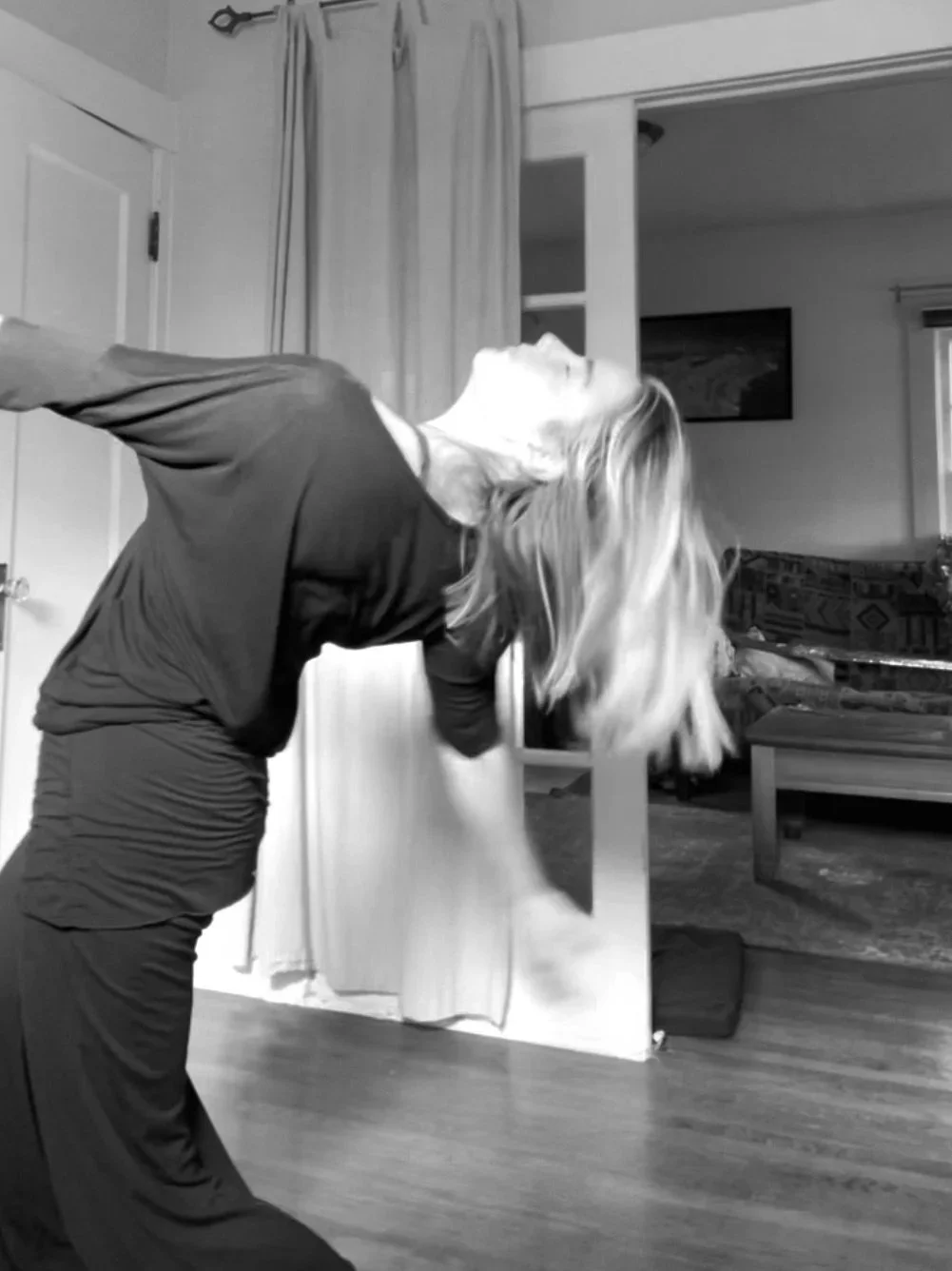
Movement Therapy
Movement Therapy, also referred to as Dance/movement Therapy, helps individuals build a relationship with their own movement as an avenue of understanding mental and emotional experiences. Through this understanding, a person can use expression and exploration to discovery internal resources and move towards desired outcomes. Movement may range from a simple gesture to using the whole body. Incorporating movement into therapy may feel unfamiliar to some, therefore, clients are never asked to do anything they are not ready for.

Being in connection and relationship with oneself and others is a fundamental aspects of our lives. How individuals achieve a sense of connection varies, influenced by their experiences, memories, cultural contexts, and identities. Psychotherapy recognizes the importance of one's past and encourages individuals to understand it while seeking present support and resources as pathways to wellness and growth.
Psychotherapy
Frequently Asked Questions
-
Individual 50-min therapy sessions
-
Dance/movement therapy
Psychoanalytic/ Psychodynamic
Mindfulness-based Therapy Cognitive Behavioral Therapy (MBCBT)
Mindful Self Compassion
Internal Family Systems Therapy (IFS)
Nature-based
-
If you’re even just a fraction curious about building a relationship with your mind and body in therapeutic space, this place for you!
I work with adults (ages 18+).
I specialize working with clients managing depression, anxiety, perfectionism, people pleasing, trauma, & psychosomatic experiences.
-
I am licensed in Montana and Oregon. I offer in-person and online sessions for those in Missoula, Montana.
Nature-based sessions in the surrounding Missoula area.
I offer online therapy for those located in Oregon.
-
It looks pretty similar online as it does in person. I will ask for you to have enough space around you that you can fully stretch out your limbs without hitting anything. Other than that, we will move together as we typically would. We just have a third component, the computer, involved.